Most East Tennessee home inspections that turn up asbestos are talking about something you can avoid touching: a decade-old pipe wrap in the crawl space, a layer of old floor tile mastic under new flooring, popcorn texture on a ceiling nobody plans to sand. You seal it, you leave it alone, you move on with the sale.
Oak Ridge's original housing stock does not work that way. The roughly 3,000 prefabricated homes the government built here during the Manhattan Project, known locally as cemesto houses or Alphabet Houses, used cement and asbestos panels as the actual wall material. The asbestos is not something extra hiding inside these homes. It is the exterior wall itself. That distinction is the whole story for anyone buying, selling, or renovating one, and it is the part most general home-buying guides skip because it does not come up anywhere else in Tennessee.
What "cemesto" actually means
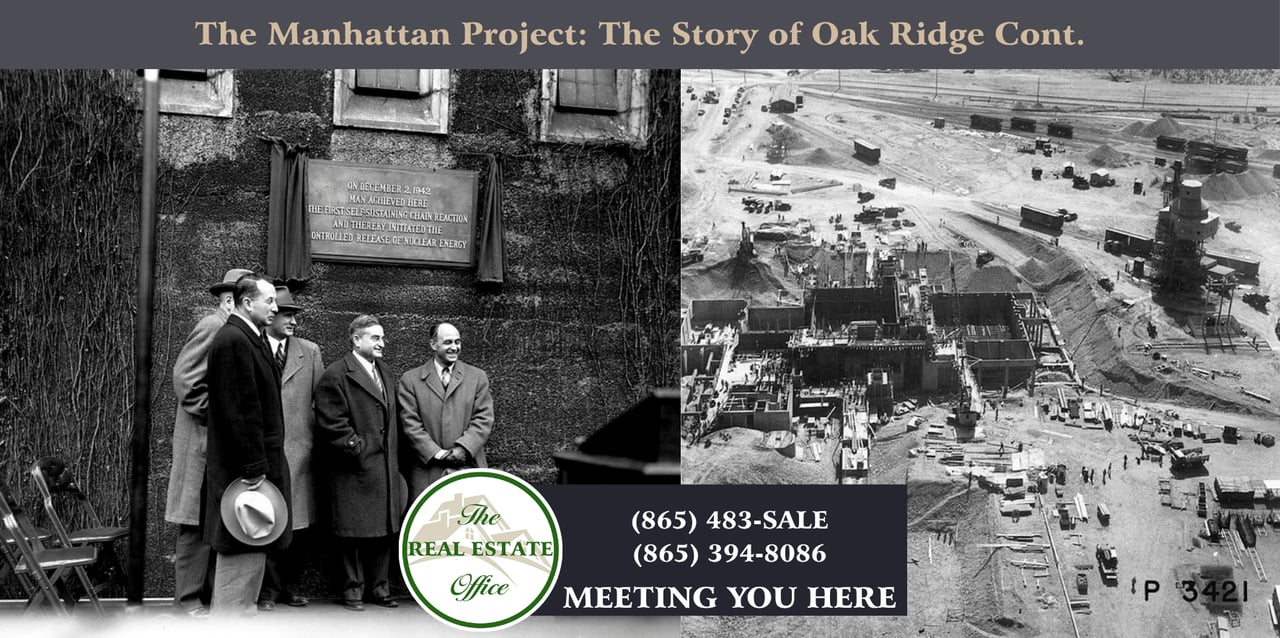
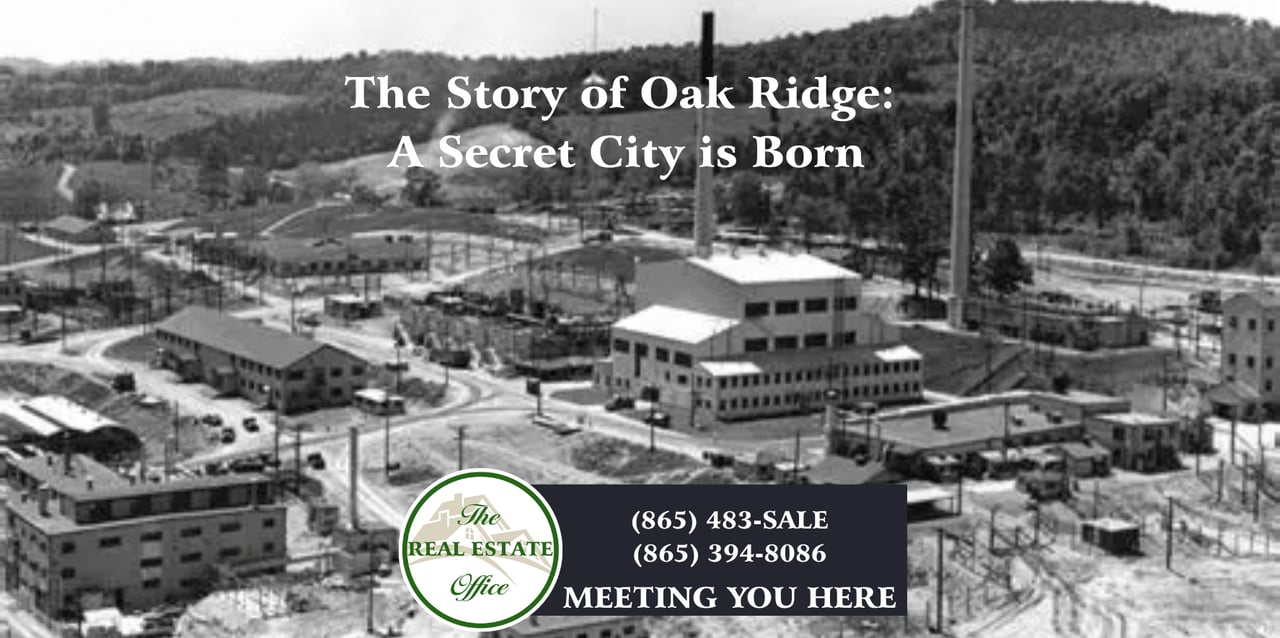
When the Manhattan Project brought roughly 75,000 workers to Oak Ridge by 1945, the Army Corps of Engineers needed thousands of houses fast. Working with the architecture firm Skidmore, Owings and Merrill and engineers Stone and Webster, builders standardized on a prefabricated panel made of cement and asbestos fiber board, nicknamed cemesto. A single house could be manufactured roughly every thirty minutes, and workers turned out around 17 houses a day at the peak of construction.
That firm's fingerprints are all over Oak Ridge. Skidmore, Owings and Merrill also designed Jackson Square, the town center most residents already know from farmers market season. The wartime houses and the town square came out of the same drafting tables, built for the same purpose: get a functioning city standing almost overnight.
The panels held up. Many of these homes are still standing and still occupied more than eighty years later, mostly clustered in the older northern residential neighborhoods and villages like East Village that were part of the original 1940s plan.
The letter said more than nostalgia
Each house design got a letter, A through H, and the letter told you what you were getting. Type A was the smallest, generally two bedrooms. Type B was larger and rectangular. Type C had an L-shaped footprint. Type D became a template for what later turned into the standard American ranch house, with a roomier layout, one and a half baths, and more livable square footage than its earlier alphabet siblings.
| Type | General footprint |
|---|---|
| A | Smallest, two bedrooms |
| B | Larger, rectangular layout |
| C | L-shaped floor plan |
| D | Ranch-style precursor, three bedrooms, 1.5 baths |
Types E through H followed the same logic of expanding space and features further up the alphabet, though the earliest letters were originally built for smaller households and the higher letters for larger families. Decades of additions and remodels have blurred a lot of those original lines. Area listings still occasionally note a home's original letter as a point of local color, but what actually matters at inspection time has nothing to do with the letter itself. It has to do with the panel underneath the siding.
Where the material actually sits, and why that changes the math
Here is the mechanism that makes cemesto different from ordinary old-house asbestos. Tennessee's own health guidance is clear that intact, undisturbed asbestos-containing material generally does not pose a health risk. The danger shows up specifically when the material is damaged, disturbed, or deteriorating and fibers get into the air.
That distinction is comforting for a house where the asbestos is confined to a basement pipe wrap you can leave sealed forever. It means something different in a cemesto house, because the wall itself is the material. You cannot avoid the exterior wall. Any project that opens it up, adding a window, running new wiring through an exterior wall, replacing siding, framing an addition, means disturbing panel that was manufactured to last but was never meant to be cut into casually.
This is why a general home inspector's checklist does not fully cover an Oak Ridge Alphabet House. Bent Nail Home Inspection Services, a local inspection company that specifically advertises experience with cemesto construction, notes that these homes use materials and methods that require specific knowledge to evaluate properly and describes understanding how the panels age as part of what separates a cemesto-experienced inspector from a generalist. That is a genuinely useful distinction for a buyer to ask about before scheduling an inspection: has this inspector done cemesto homes before, or is this their first one.
What a seller discloses, and what a buyer should ask for
Tennessee's Residential Property Disclosure Act requires most sellers to provide a disclosure statement covering known defects and conditions such as environmental hazards. Failure to disclose known issues can cancel a contract or lead to legal action.
For an Oak Ridge cemesto seller, this usually is not a surprise disclosure the way it might be elsewhere. Most owners of these homes already know what they have. The construction history is public, well documented by the National Park Service, and often part of how the house gets described in conversation long before it hits the market. The practical question for a buyer is not whether the seller knew about the asbestos. It is whether anyone has a written assessment of the panel's current condition, especially around any area where prior work already happened.
If a previous owner added a room, replaced a window, or ran new electrical through an exterior wall, that is exactly the kind of disturbance that matters. Asking for documentation of when and how that work was done, and whether it involved a professional asbestos assessment, is a fair and specific question for this house type in a way it simply is not for a 1990s subdivision build.
What actually happens at inspection
A cemesto-aware inspection typically looks past the paint and siding to note the panel's condition, flag any spots where it has already been cut into, and call out visible deterioration that would need professional evaluation before any exterior work begins. None of this usually stops a sale. Intact panel in reasonable condition is not treated as an active hazard, and plenty of these homes have sold, closed, and been lived in for decades without incident.
Where it changes the timeline is renovation planning, not the closing itself. A buyer who wants to add a window or extend the kitchen should budget for a professional asbestos assessment before that work starts, not as a bureaucratic hurdle but because that is the point in the process where undisturbed material becomes disturbed material. Older cemesto homes that have sat vacant or deteriorated long enough sometimes carry higher demolition and repair costs specifically because of the hazardous material mixed into damaged panel, a cost dynamic Oak Ridge Today has covered locally when discussing what to do with the city's oldest legacy homes.
A few questions worth asking before you sign
Does every Alphabet House have asbestos in the walls? The original cemesto panel construction used cement and asbestos board across the wartime housing stock, so yes, if the home is one of the original prefabricated types built during that era, the exterior wall material contains asbestos. This does not mean every home is a health concern. It means the wall material itself is different from a standard modern build.
Can I get a regular home inspection, or do I need someone specialized? A standard inspection can tell you a great deal about the roof, systems, and general condition. For anything involving the exterior wall panel specifically, ask whether the inspector has direct cemesto experience, since that is where the knowledge gap tends to show up.
Do I have to remove the asbestos before I can sell? No. Undisturbed, intact material is not something Tennessee treats as an automatic barrier to a sale. The disclosure requirement is about what the seller knows and states, not a mandate to remediate before listing.
If you are weighing an Alphabet House against a newer build somewhere else in Oak Ridge, or trying to figure out what a specific letter and lot actually mean for your renovation plans, that is exactly the kind of conversation worth having before you write an offer. The REAL ESTATE Office has agents working both the Oak Ridge and Knoxville sides of this market every week, including buyers who specifically want the character of an original cemesto home and know what they are signing up for. Get a free home valuation and start that conversation with someone who already knows which letter is which.